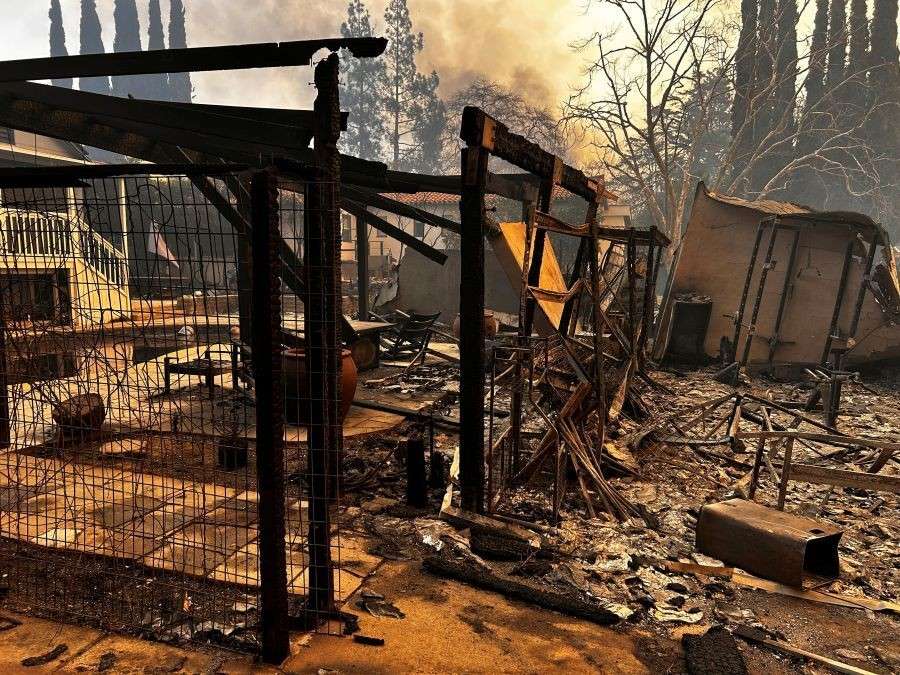
Of California’s 20 most destructive wildfires, 15 occurred in the past decade. In this article, fire remediation expert Jeanine Humphrey, owner of M.A.R.S. Environmental, explains how California homeowners can prepare for wildfire aftermath and reduce long-term health and financial damage.
When is Wildfire Season in California?
Wildfire season in California once peaked from late spring through fall, but climate change and recurring droughts have erased any true “off season.” The Palisades and Eaton fires – two of California’s most destructive – burned in the middle of winter.
Homeowners now need to stay prepared year-round, especially those in the Wildland Urban Interface (WUI), where development meets wildland. These areas are highly vulnerable; homes and infrastructure add fuel and ignition sources that help fires spread rapidly. As construction expands into fire-prone regions, more communities are exposed to risk.
With longer, less predictable fire seasons and more homes in the WUI, prevention and preparedness have become essential parts of homeownership in California.
How Can California Homeowners Make Their Home Less Vulnerable to Fires?
Home upgrades and a defensible space surrounding your home can greatly reduce your home’s vulnerability to fires and can qualify you for discounts through your homeowners insurance.
Start with your home itself, then work outward to create a defensible space. Each of these steps reduces your home’s vulnerability to wildfire ignition.
Home Hardening Steps:
- Install water systems or other fire suppressors you can turn on from the outside.
- Use fire-resistant building materials: a Class-A roof, metal flashing at roof-to-wall intersections, ember‑resistant vents, and non-combustible siding such as fiber‑cement, stucco, or masonry.
- Seal roof and wall penetrations and caulk gaps where embers could lodge.
- Keep gutters clean and, if possible, add metal gutter guards.
- Protect openings: Install dual‑pane tempered windows and non‑combustible window/door frames. Weather-strip garage and exterior doors, keep them closed during fire events, and add self-closing devices where possible.
- Use ignition-resistant materials for decks and patios and non‑combustible skirting/enclosures to block ember entry underneath. Screen under-eave openings.
Immediate Zone: 0–5 feet (“non‑combustible zone”):
- Avoid placing wood mulch against the house. Use gravel, pavers, or bare mineral soil instead.
- Keep combustibles at least 5 feet from the house, including firewood, lumber, furniture, and trash/recycle bins.
- Install metal mesh covers for vents and foundation openings and close gaps at the base of walls.
- Irrigate and maintain any plants sparingly. Choose small, well‑spaced, non‑woody plants in containers.
Intermediate Zone: 5–30 feet:
- Prune trees and maintain vertical and horizontal separation (no ladder fuels).
- Keep grass green and cut low, and remove dead or dying vegetation regularly.
- Remove fuel sources, including sheds and propane tanks. Keep them at least 30 feet from the home and use hard-surface pathways as fuel breaks.
Extended Zone: 30–100 feet (and beyond where applicable):
- Reduce tree crown connectivity. Thin trees and shrubs so fire doesn’t spread between crowns.
- Mod or weed-whack grasses shorter than 4 inches.
- Make access easy for fire rescue teams. Keep driveways clear, make sure your address is clearly seen from the road, and ensure water sources are accessible.
If this seems like a lot, don’t panic. Take it one step at a time, starting with your home and working your way out towards the extended zone. Prioritize ember resistance and elimination of combustible pathways. Each step can make a huge difference.
Pro Tip: See Cal Fire’s guide to hardening your home and Wildfire Prepared Home Checklist for more tips on protecting your home from fires.
What is the California Defensible Space Law, and Do Other Laws Apply?
California law requires homeowners in high-risk zones to take specific fire prevention measures, and a number of laws dictate how California homeowners and insurance companies must handle fire prevention and response.
- Public Resources Code §4291: Homeowners living in State Responsibility Areas must have at least 100 feet of defensible space around their home. Some local laws require more.
- California Building Code Chapter 7A: New buildings built within Fire Hazard Severity Zones or Wildland Urban Interface areas are required to meet California’s standards for wildfire exposure, including building materials, construction methods, and vegetation management.
- California Assembly Bill 38 (effective 2021): Sellers in High or Very High Fire Hazard Severity Zones must disclose and provide defensible‑space documentation.
- California’s “Safer from Wildfires” (SFW) Initiative: Requires insurers to recognize verified mitigation, including home hardening, defensible space, and community-level action, for rating/discounts.
No matter how many preventative measures you take, your home will never be 100% protected from wildfires. That’s why it’s essential to stay prepared and take actions to mitigate effects.
Preparation Steps for Reducing the Health and Financial Effects of a Wildfire
No one wants to think about their home being burned in a wildfire, but simple preparation steps beforehand could save lives and lessen the devastating effects if a fire does reach your home.
Prepare for Timely Evacuation
- Install smoke detectors on every level, in every bedroom, in common areas, and no more than 30 feet apart. Replace the batteries yearly.
- Sign up for reverse alerts. Every California county has an alerting program. Register for alerts where you live and where you work, and bookmark local incident and air-quality pages.
- Stay aware of your surroundings. Alert systems can fail. If you see smoke or suspect nearby fire activity, don’t wait to evacuate. Road congestion can make evacuation difficult or impossible.
- Have an evacuation plan. Create a plan to get people and livestock/pets out. Include meet-up points in case you get separated. Practice 5-minute and 30-minute drills, including in the middle of the night, and practice using 2nd floor escape ladders.
- Assemble grab-and-go emergency kits. Stock water, food, medications, chargers, flashlights, batteries, first-aid kits, N95s, sturdy shoes, cash, and copies of IDs and other important docs. Have it in an easy-to-grab pack by the door.
- Plan and maintain clear escape routes. Keep vehicles fueled above half and make sure driveways are clear for evacuation.
Keep Precise Documentation
- Protect important documents. Keep originals in a double fire-rated safe and have backups in a cloud offsite. Upload deeds, wills, serial numbers, and registrations into PDFs.
- Maintain detailed home inventories. At least twice a year, take a full home video that shows your belongings. Save them in the cloud to make insurance claims easier.
Pro Tip: If you lose passports, birth certificates, and Social Security cards, check with your local government. Many California municipalities set up pop-up stations for fire-impacted homeowners.
How to Navigate Insurance Before and After a Fire to Protect Your Home and Health
We’ve seen firsthand how difficult insurance companies can make post-fire claims. Many homeowners, already devastated after a home fire, have to fight their insurance company over payments. In addition to keeping careful documentation, here are steps you can take to make sure you’re covered.
Before a Fire: Securing Strong Coverage
- Don’t shop based on price alone. Cheap premiums typically mean undercoverage. You might save some money monthly, but could find yourself in a serious deficit if your home is burned.
- Review your policy yearly. Read the fine print and ask questions to determine if your rebuild coverage is enough. If your premiums go up, ask why your rates changed before switching insurers (it’s often because your rebuild coverage wasn’t enough).
After a Fire: Navigating Claims and Adjusters
- Document damage. Take pictures and videos of debris (wearing proper PPE) and don’t remove anything from the home. Hire an independent post-fire smoke and soot testing professional to test your entire home for contaminants.
- Don’t use your insurer’s preferred vendors. You have a legal right to choose your own testing and remediation professionals. Choose someone who will make decisions based on what’s best for your home and health, not your insurance company’s pocket.
- Challenge any claim that downplays damage or contamination. We saw a California insurance company claim that a home with lead levels over 2000 was safe. They knew better. Fight back on anything that doesn’t feel right.
- Keep records of all insurance communication. Ask for everything in writing (or email). Keep detailed records of all adjuster visits and speak up if communication is contradictory.
- Make an email address that’s only used for insurance communication. Keep all your communication and records in one place. This helped many homeowners in the Eaton and Palisades fire have all the documentation they needed to take claims to the DOI and/or court.
If a wildfire does occur, these steps will help you navigate the claims process and protect your family’s health and finances.
Story: After looters broke into a Palisade home and shattered a front window, smoke and soot were drawn inside even though the property itself hadn’t burned. The homeowners’ insurance company then sent a remediation company without the owners’ consent. That company forged the homeowners’ signatures, declared the house safe, and destroyed critical evidence in the process.
When M.A.R.S. Environmental conducted independent testing, we found high levels of toxins throughout the home. It was far from safe, and the insurer’s vendor had made recovery and claims documentation much harder.
Lesson learned: Always verify who enters your property after a fire. Request identification and proof of certification, document every visit, and never let anyone perform work without your explicit approval. If something feels off, stop the work immediately and tell your insurance company you’ll be using your own certified remediation professional.
How To Keep Your Indoor Air Clean During Wildfire Season
Even if you’re not in a fire’s direct path, wildfire smoke can cause short- and long-term health effects. Here’s how to keep the air in your home cleaner:
- Keep windows, doors, and vents tightly closed.
- Tape around windows and bottom of doors.
- Shut off your HVAC system or run it only in recirculate mode. Replace filters frequently. HEPA filters are highly effective, but more affordable high-capture filters also work well.
- Consider purchasing an air purifier to help mitigate wildfire smoke in your home.
If you see a smoke plume nearby, leave immediately. If nearby structures and vehicles are burning, the plume is toxigenic. If your home is directly impacted by smoke or fire, don’t reenter until it’s professionally tested and cleared.
How to Safely Restore Your Home After Fire Damage
The first 72 hours after a fire are vital. Here’s what to do – and not do – to keep your family safe and ensure proper restoration.
Don’t:
- Reenter your home without proper gear. Wear PPE and sturdy shoes. Immediately remove them after leaving the home and never wear soiled shoes or clothing in your car or clean living spaces.
- Clean up before professional testing. This removes evidence, makes proper testing more difficult, and weakens your insurance claim.
- Remove anything from the home. Even if something doesn’t look damaged or smell like smoke, it could still be full of toxins. Don’t remove anything that hasn’t been tested and determined safe.
- Assume no odor = no problem. Even if an area of your home doesn’t look damaged or smell like smoke, it could contain high levels of toxins. The only way to know if your home is safe is to test.
Do:
- File a claim right away. And advocate for yourself if your insurance denies or minimizes the claim.
- Hire professional smoke and soot testing. Remember, you have the right to hire who you want to perform testing. Insurance-sent companies often don’t perform adequate testing. A professional will test the entire home, not just areas with visible damage, for all contaminants.
- Be wary of quick “fixes.” We’ve seen companies try to sell distraught California homeowners quick “fixes” like ozone and hydroxyl generators. These can reduce odor but don’t get rid of toxins and are dangerous for people with lung sensitivities or autoimmune disorders.
See our Guide to Smoke Damage Remediation for more information on tackling post-fire damage.
Story: An Eaton woman’s husband, concerned about his pregnant wife’s health, vacuumed up the ash and soot in their home. Because it was no longer visible, the insurance tried to deny their claim even though there was lead and asbestos throughout the home.
Lesson learned: Don’t disturb or clean soot or ash before testing. Even well-meaning cleanup can compromise insurance claims and spread contamination.
Pro tip: Always hire post-fire remediation professionals, not just general cleaners. Post-fire specialists know how smoke and soot moves, what toxins could be present, and how to clean without spreading contaminants.
Key Takeaways
- Know your rights and don’t let insurers cut corners on your safety.
- Prepare year-round with defensible space, documentation, and evacuation plans.
- Always hire certified professionals for post-fire testing and remediation.
M.A.R.S. Environmental has helped countless California homeowners advocate for fair insurance reimbursement and restore their homes safely after wildfires. If you need post-fire testing, consultation, insurance documentation, or remediation, contact our team to ensure your home is safe for return.
We work for you, not your insurance company.
There’s no such thing as “good enough” when it comes to post-fire remediation. Our certified team will make sure your home is truly safe after a fire.