When I met Karen Girard, she was standing in her living room, looking out her front window at nothing but loss – block after block of homes reduced to ash. Her home remained standing in a field of destruction.
But while her neighbors begin rebuilding, Karen is stuck trying to convince her insurance company that her smoke-damaged home isn’t safe to live in.
Months after surviving the Palisades and Eaton fires, many residents are left with homes that still contain toxic residues – and insurance companies that refuse to do anything about it.
The background
I’ve been testing homes in California for post-wildfire carcinogens since 2024 and have seen firsthand how often insurance carriers deny homeowners basic remediation. Since the Eaton and Palisades fires, insurers and homeowners have been locked in disputes over post-fire testing. Homeowners are fighting for comprehensive testing and remediation. Insurance companies are pushing back – often citing costs – and insisting basic cleaning is sufficient.
One reason this conflict persists is the lack of regulations governing post-fire smoke testing in homes. Another reason: insurance companies use their own vendors’ findings to determine whether homes are safe to occupy, which raises serious concerns about conflicts of interest – and the integrity of the vendors’ findings.
When testing methods don’t match the situation
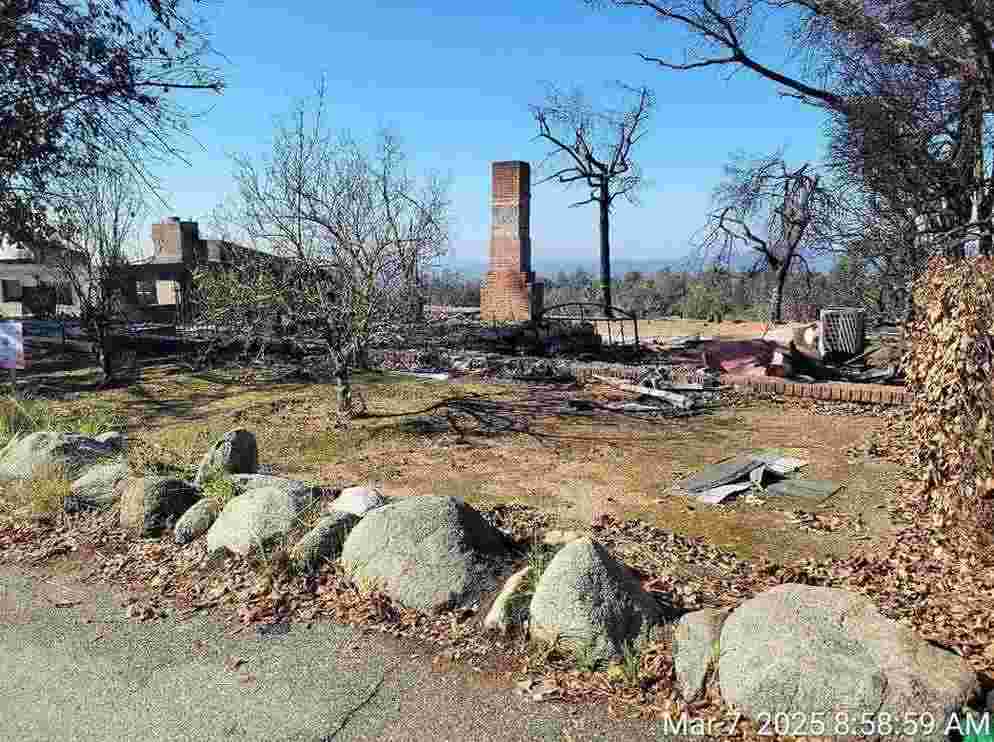
A picture Jeanine took from a California homeowner’s property after the Palisades fire, showing surrounding destruction.
Insurer-backed vendors often cite decades of experience and professional certifications to validate their conclusions, but I’ve seen how much testing materials and techniques have changed in recent decades. Experience alone doesn’t guarantee current technical mastery.
In my experience, insurers and their vendors often rely on wildfire testing methodologies when evaluating wildland-urban interface (WUI) fires. This is a flawed approach. WUI fires burn homes, vehicles, batteries, plastics, and modern furnishings, all which can produce vastly different contaminants than those found in wildfires.
And other practices (like testing for lithium) are downplayed entirely. While lithium might not be a concern in vegetation-only fires, it’s a completely different story in WUI fires due to the EV vehicles and battery-powered devices commonly found in homes. And unlike many VOCs, there is no background level or “safe” level of lithium exposure. Despite that, insurers and their vendors claim that testing for lithium is unnecessary.
Insurers and their vendors have repeatedly refuted my testing approach, which includes screening for cyanide, lithium, VOCs, heavy metals, and other toxins, claiming it is unnecessarily comprehensive and includes contaminants that are below “acceptable limits.” My response is always the same: those limits weren’t written with children or immuno-compromised populations in mind. And they focus on a single “pass/fail” number, not taking latency risk – where harm can be delayed for years – into account. For many of these contaminants, no amount is truly acceptable for a child to be exposed to for 15+ years. Yet insurers and insurer-backed testing companies continue to downplay the seriousness of smoke damage in homes and encourage residents to reoccupy homes prematurely.
I’ve also seen cases where insurers and their vendors inappropriately attribute toxin levels to pre-fire “background,” even when evidence suggests otherwise. One of my clients, Altadena homeowner Andrew Wessels, had his child tested for lead just a few months before the fires, with negative results. After the fire, we identified elevated levels of lead in the home. Yet the insurer and its vendor dismissed those findings, claiming the lead was likely there before the fires.
In my opinion, this “background” explanation has become a convenient way to avoid paying for post-fire remediation.
When independent results conflict with insurer-vendor results
The most troubling pattern I see is when independent testing – like ours at M.A.R.S. Environmental – conflicts with insurance-directed results.
Insurer-vendor testing is typically limited scope – often testing for a small number of contaminants and sampling irrelevant locations (like under a refrigerator or inside a bedroom drawer), then using those findings to justify minimal cleaning and remediation.
Our approach at M.A.R.S Environmental, by contrast, takes a full-scope approach to gain the whole picture of damage and toxins, testing for a wide range of potential contaminants and in locations where soot and fine particles can accumulate.
One case I’ve seen perfectly illustrates this contrast:
- We tested one client’s wall cavities and the results showed 40-60% soot concentration – one of the highest I’ve seen in the area.
- Based on those findings, I recommended demolition down to the studs.
- The insurer instead decided to send its preferred vendor.
- Their vendor’s samples came back “non-detect” for soot in the exact same wall cavity locations I’d tested.
- Both the insurer and their vendor downplayed the science behind and seriousness of my original findings.
- The insurer assured the family it was safe to reoccupy the home and that the only remediation required was cleaning three feet in from openings.
- I went back in and retested. The results still showed high levels of soot concentrations.
In another incident, a member of the Eaton Fire Residents United (EFRU) shared with me that she observed a testing company employee using improper techniques during an insurer-directed lead inspection. According to the homeowner, the inspector was not lead certified and was mishandling wipes in a way that could compromise results. When questioned, the inspector allegedly became defensive and altered the testing approach to bypass these requirements. This demonstrates how these companies are often “checking boxes” instead of taking an approach that truly protects homeowners.
The dangers of non-independent post-fire testing
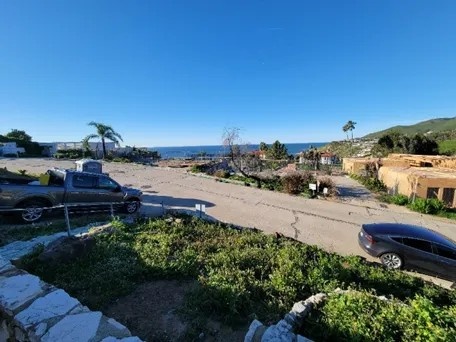
A picture Jeanine took of the destruction surrounding a home after the Palisades fire. Insurers refused to pay for proper testing and remediation, despite their home being filled with toxins.
My concerns go beyond limited-scope testing and testing method disputes. I’ve witnessed a broader system that prioritizes insurer and vendor outcomes over homeowner safety.
Here’s what I’ve observed:
- Situations in which a homeowner requested testing, yet the insurer was listed as the client on the report – demonstrating who the work ultimately served.
- Insurer vendors send out undertrained and underqualified technicians to perform work that leadership then signs off on without ever visiting the site.
- Insurers portray comprehensive testing as “too expensive,” even when insurer-vendor testing costs more for fewer samples. In one instance, an insurer was willing to pay their vendor $15,000 to conduct limited testing but refused to reimburse $8,000 for my more extensive testing.
- When independent testers produce findings that conflict with vendor conclusions, they issue rebuttal letters to discredit the results and undermine consumer-side experts.
I also want homeowners to understand what’s buried inside many insurer-vendor reports: disclaimers stating the inspection was limited, additional contaminants may be present, and no responsibility is accepted for omissions or misrepresentations.
To me, this language functions like a loophole. Limited findings are used to justify limited remediation, while the reports simultaneously disclaim liability for what wasn’t tested. I’ve read these disclaimers personally, and they protect the businesses involved, not the homeowners.
The accountability question
The question becomes: how do we hold insurance companies and their vendors accountable for prioritizing homeowners’ safety and not just profit?
Homeowners have the right to choose their own expert for post-fire testing. But insurers can refuse to accept independent findings, deny reimbursement, and default to their own vendors’ findings.
Until stronger regulations are enacted to protect homeowners, these conflicts will likely continue. I will continue to push for these regulations and fight for the rights of homeowners.
How to protect yourself after a WUI fire
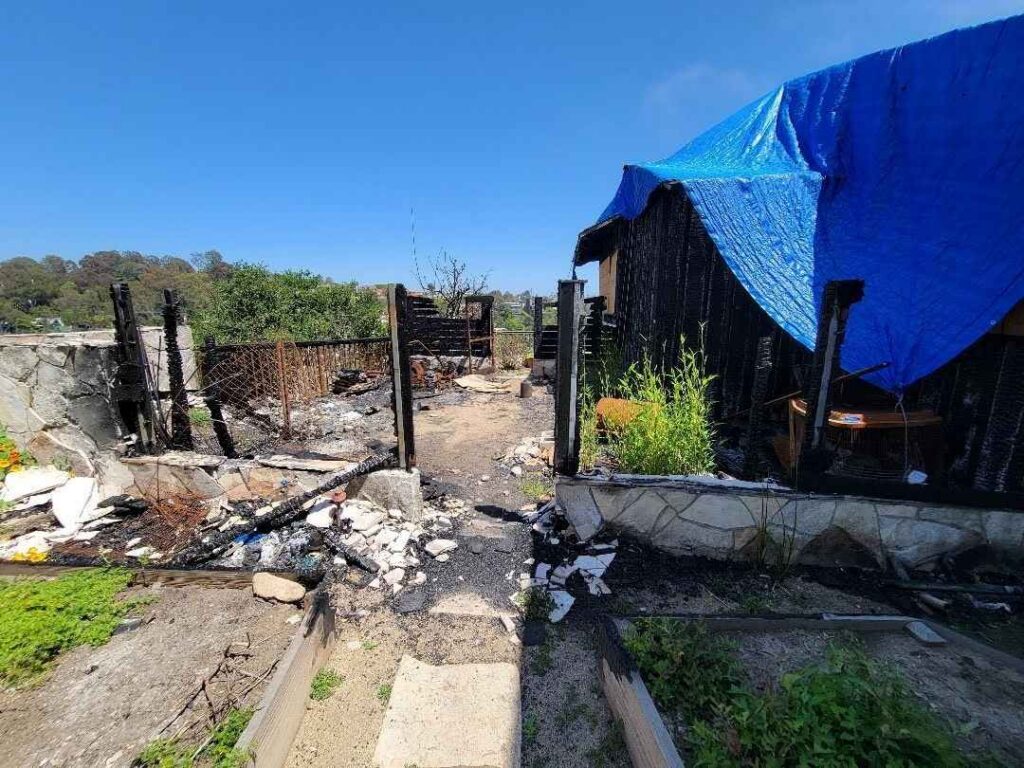
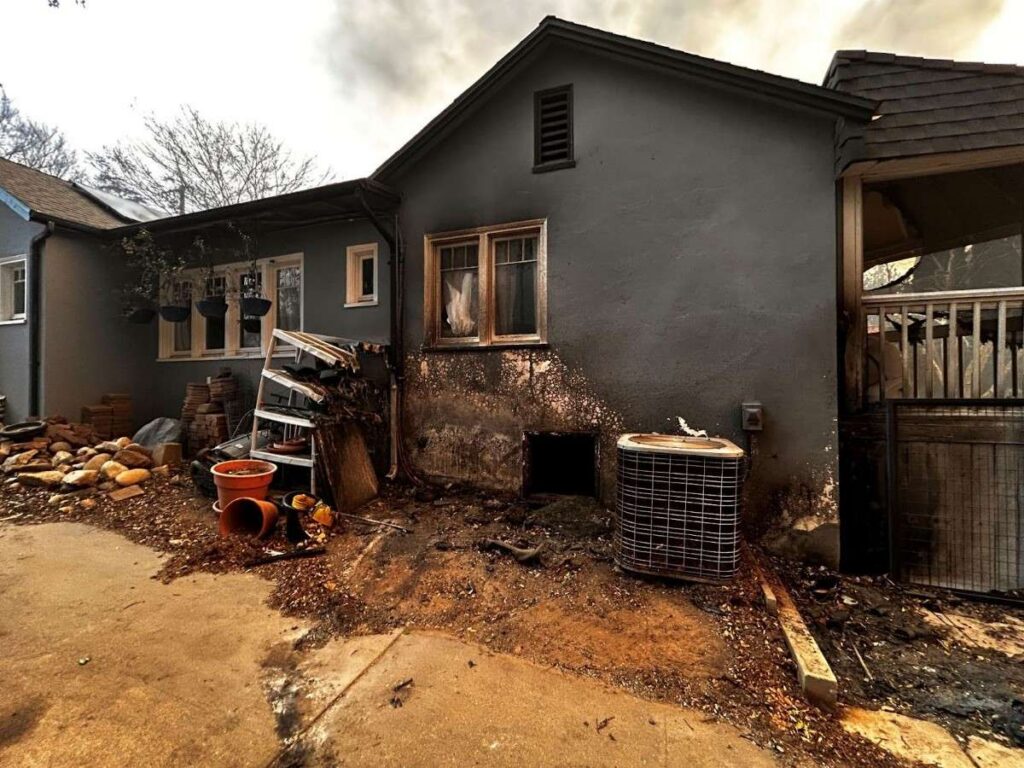
Picture Jeanine took of a property damaged in the California WUI fires.
If you’re dealing with smoke damage after a WUI fire, here’s what I recommend:
- Don’t rush. More data and clearer guidance often emerges over time. Pressure to move fast often benefits insurers, not the homeowner.
- Document everything. Keep all communication in writing/email and maintain thorough records of claim decisions and conversations.
- Push for independent testing. If your insurer insists on their vendor, push back. Ask why your expert is being rejected and what standards are being followed.
- Compare scope, not price alone. Cheaper testing often means fewer samples and missed contaminants.
- Join community groups. Join a community group with other survivors. Consult groups formed in other locations for information and guidance. Marshall Fire survivors have provided incredible guidance for California fire survivors.
- Ask questions. Hold your insurer and your testing company accountable. Ask what was tested for, what wasn’t, and why.
And don’t accept reassurances at face value. Even if your insurance company claims your home is safe, it could still be filled with carcinogens that could change your life forever.
Push for independent testing, and don’t rush decisions. It could be the difference between a truly safe home and living with hidden contaminants for years.
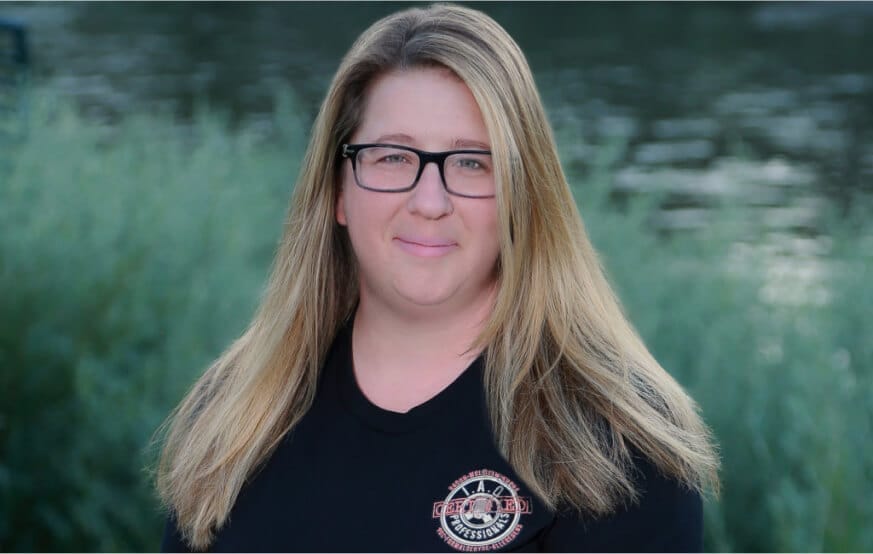
Jeanine Humphrey is the founder, owner, and lead environmental consultant of M.A.R.S. Environmental. She specializes in assessing and mitigating environmental hazards such as lead, asbestos, radon, mold, and metal contamination across residential, commercial, and post-disaster sites, with particular expertise in areas impacted by wildland-urban interface (WUI) fires. Her comprehensive approach empowers clients to make informed, confident decisions.